
There is a moment every World of Warcraft player remembers: the instant dungeon combat “clicks.” Abilities flow naturally, cooldowns line up perfectly, movement feels effortless, and your character responds exactly as you intend. Dungeon progress runs—whether leveling dungeons, Mythic+ pushes, or timed seasonal completions—become smoother, faster, and more enjoyable when this breakthrough occurs.
This article explores the transformation that happens when players internalize their combat rhythm and fully understand the dynamic dance of positioning, timing, and role responsibility inside dungeons.
Mastery of Rotation and Resource Flow
The first sign that combat is “clicking” is when your rotation stops feeling structured and instead becomes intuitive. Experienced DPS players no longer think about which button comes next—they react fluidly to procs, buffs, resource spikes, and enemy health patterns. Tanks learn when to weave mitigation into their attacks, while healers conserve mana by predicting ally damage patterns.
This comfort creates a stronger sense of agency. Damage increases, survivability stabilizes, and the entire dungeon group benefits from the consistency that comes with personal mastery.
Positioning Becomes Second Nature
Positioning separates new progress-sets-1-world-record-speedrun-time-in-naxxramas-in-classic-world-of-321910?fromClassicfrom veterans. When combat clicks, players make micro-adjustments without losing uptime, sidestep swirl mechanics without breaking rotation, and anticipate dangerous zones before mechanics even trigger.
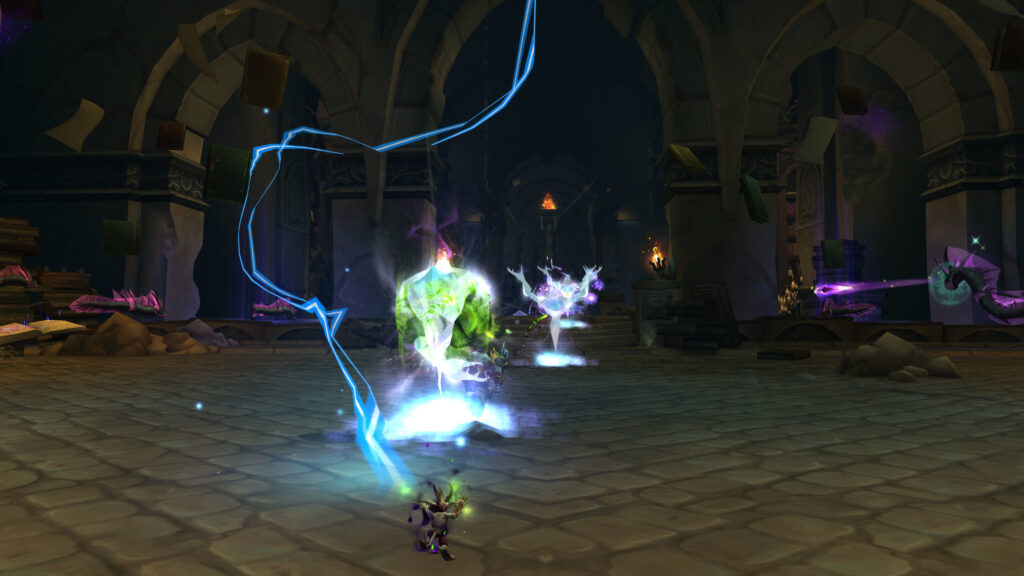
This awareness expands into group positioning. Players learn where tanks kite, where healers prefer to stand, and how melee and ranged units overlap safely in tight spaces. Once these patterns become intuitive, dungeon pacing accelerates dramatically.
- Dodging while maintaining DPS uptime
- Stacking smartly for healer efficiency
- Spreading automatically before key boss mechanics
- Repositioning based on tank pathing
Understanding Tank Pathing and Pull Logic
Dungeons flow when players understand the logic behind tank movement. Tanks pull based on cooldown windows, mob density, interrupt availability, and healer resources. When DPS and healers internalize this rhythm, they naturally align their cooldowns with expected pull sizes and contribute utility without hesitation.
The smoothness of a run often reflects how well a group reads each other’s intent. When combat clicks, tanks don’t need to explain every pull—everyone already knows what is coming next.
Cooldown Timing Syncs With Encounter Flow
Dungeon encounters revolve around key moments: add waves, boss intermissions, dangerous casts, or heavy incoming damage. When combat clicks, players automatically align their cooldowns with these beats. DPS save burst for priority mobs, healers pre-cast mitigation tools, and tanks plan defensives before high-risk hits.
This natural synchronization creates an elegant rhythm where the group moves through content with confidence and consistency.
The Emotional Shift: From Stress to Flow
The most satisfying part of learning dungeon combat is the emotional shift. Early runs feel stressful—too many buttons, too many mechanics, too many overlapping responsibilities. But once everything clicks, stress transforms into flow. Dungeons become puzzles you enjoy solving rather than obstacles you fear failing.
This flow state strengthens the desire to push harder content, experiment with builds, and refine personal performance. It marks the beginning of true endgame engagement.
| Stage | Player Experience |
|---|---|
| Before Combat Clicks | Overwhelmed, reactive, inconsistent |
| After Combat Clicks | Confident, proactive, fluent |
Conclusion
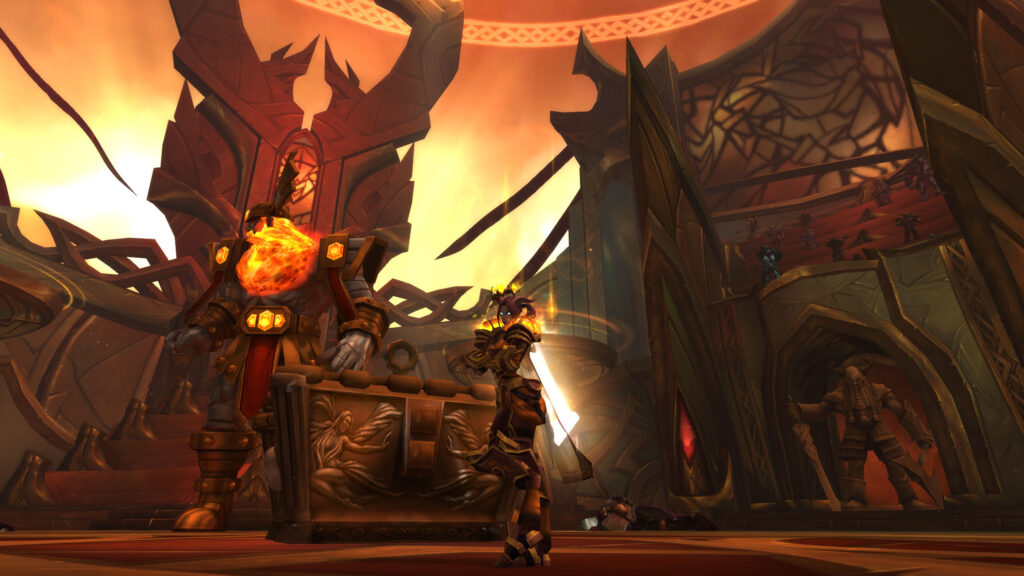
Dungeon progress runs become transformative when combat finally clicks. A new level of mastery emerges—rotation fluency, positioning instincts, pathing awareness, and cooldown timing merge into a cohesive experience. This breakthrough is what hooks players into the joy of WoW’s endgame, turning routine runs into exhilarating opportunities for growth and teamwork.