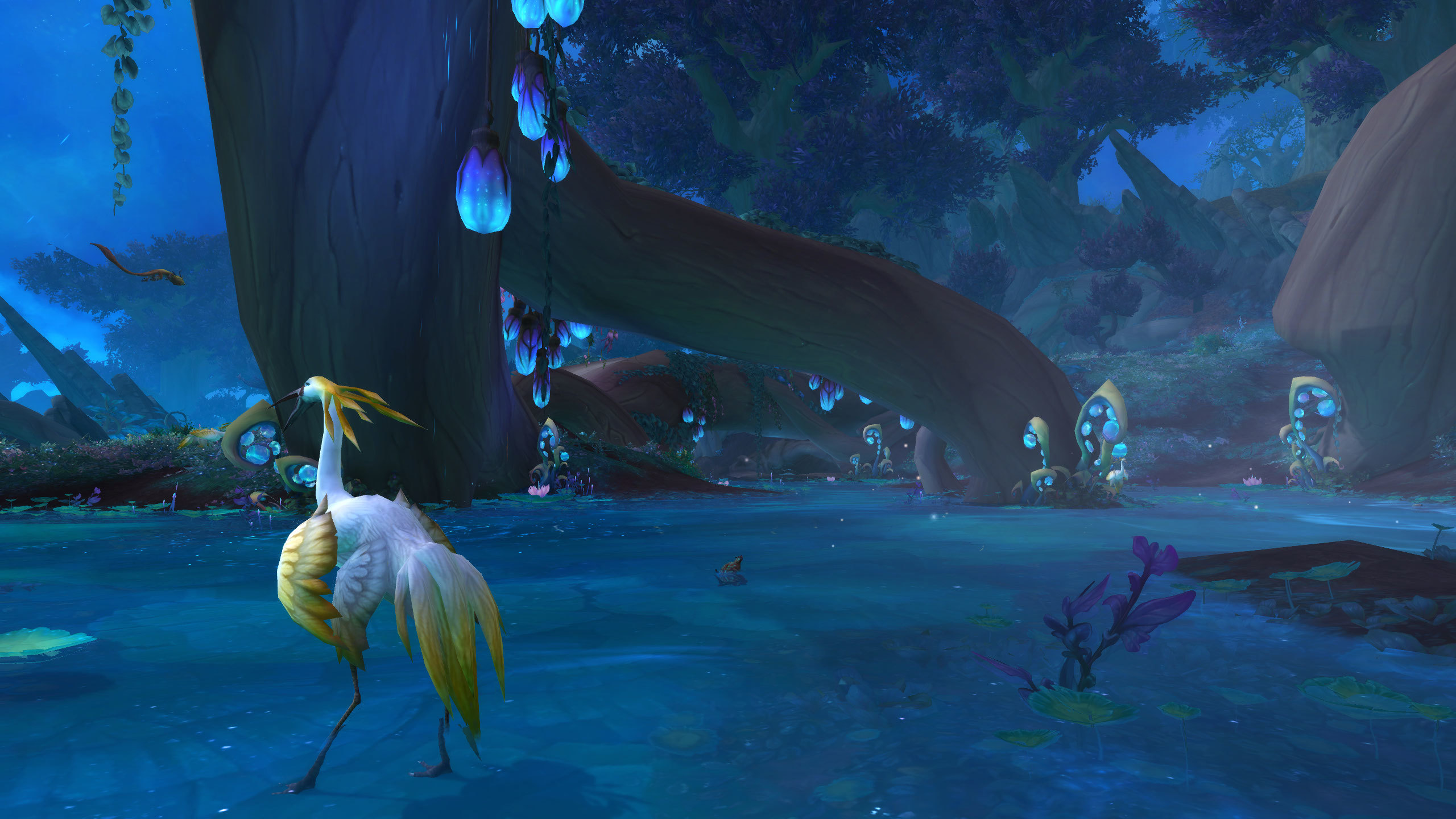

Sound has always been one of the world’s quietest storytellers — shaping emotion, atmosphere, and immersion long before players consciously recognize its influence. Environmental sound design transforms landscapes into living entities. The rustle of leaves, the howl of distant winds, the hum of arcane energy, or the echo of stone corridors create an auditory tapestry that grounds players in their surroundings. It is subtle, often overlooked, yet essential to the world’s identity.
This article explores how environmental sound design immerses players on a subconscious level, revealing the invisible threads that bind emotion to exploration.
The Unseen Power of Ambient Audio
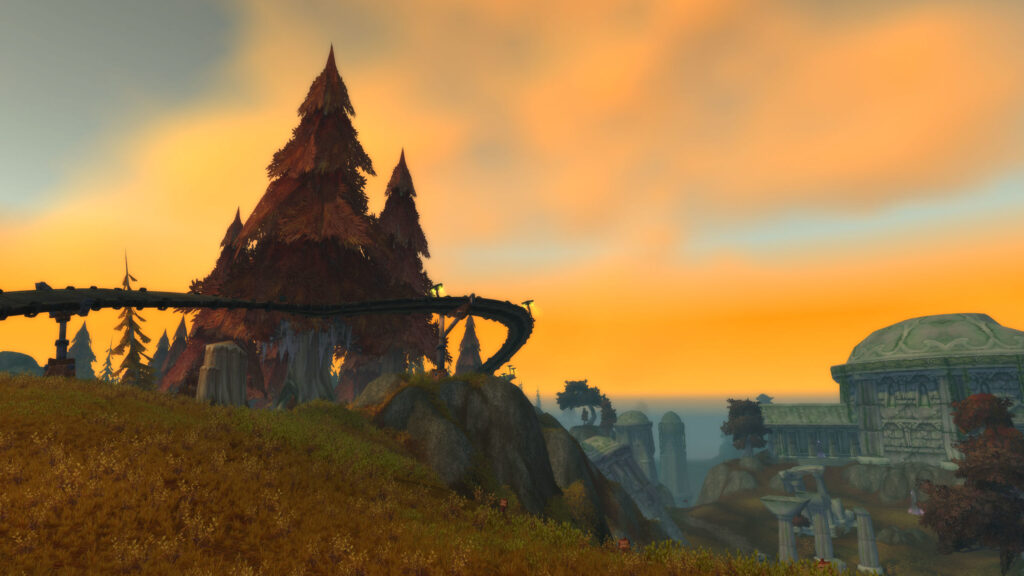
Ambient sounds create the illusion of a breathing world. Players may not consciously notice the distant waterfalls, chirping insects, or shifting tides, but these sounds anchor environments in realism. Without them, zones would feel strangely empty — visually stunning but emotionally hollow. Sound design fills the silence with life, making every region feel distinct and reactive.
The world becomes familiar through sound long before players understand why.
Zone Identity Through Soundscape
Every zone uses sound to define its personality. A barren desert sounds different from a frozen tundra or a haunted forest. Designers layer audio cues to reinforce mood, danger, culture, and story. These cues train players to associate certain tones with emotional responses — comfort, tension, curiosity, or caution. The result is a world where sound acts as a guide, shaping exploration at a subconscious level.
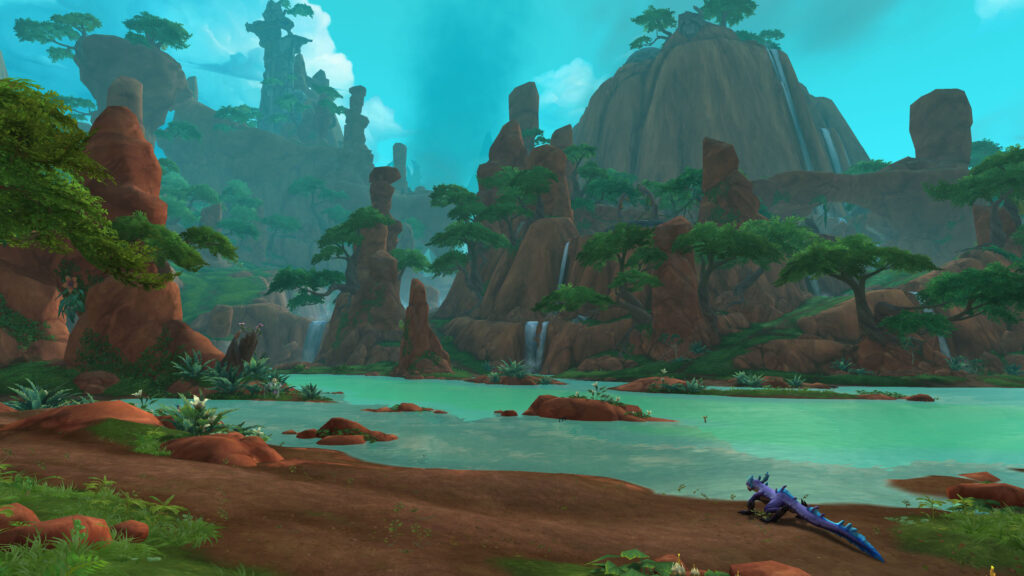
To illustrate how soundscapes differ, here is a brief comparison of zone types:
| Zone Type | Core Sound Elements | Emotional Tone |
|---|---|---|
| Forests | Birdsong, leaves, quiet wind | Calm, familiarity, warmth |
| Deserts | Whistling wind, distant echoes | Loneliness, vastness, tension |
| Mountains | Crisp gusts, rumbling stone | Strength, danger, awe |
| Haunted areas | Whispers, creaking wood, low hums | Mystery, dread, anticipation |
| Arcane zones | Resonant hums, shimmering tones | Intrigue, ancient power |
Subtle Audio That Guides Player Behavior
Sound design often teaches players how to react before they consciously understand what’s happening. An enemy may reveal itself through an audio cue before appearing visually. Environmental tension builds through changes in ambient tone as players approach danger. Safe areas sound warm and layered; hostile areas grow thinner and sharper. These cues guide movement and decision-making without explicit instructions.
Sound becomes an unseen mentor in the player’s journey.
The Emotional Resonance of Nostalgic Sound
Sound triggers memory more powerfully than visuals. A single note from a well-known zone theme can transport players back to earlier expansions, guild adventures, or first experiences years ago. The environmental ambience of Elwynn Forest, Durotar, or Grizzly Hills carries emotional weight that persists long after players leave those zones. Sound creates nostalgia that visuals alone cannot replicate.

Memory echoes through a world shaped by sound.
Why Environmental Sound Matters More Than Players Realize
The power of environmental sound lies in its subtlety. It supports immersion without demanding attention. It shapes emotional response, influences pacing, and elevates exploration. Even players who mute music rely on ambient sound to feel grounded. Without this design, the world would feel colder, emptier, and less alive.
Sound fills the silence that makes the world real.
Conclusion
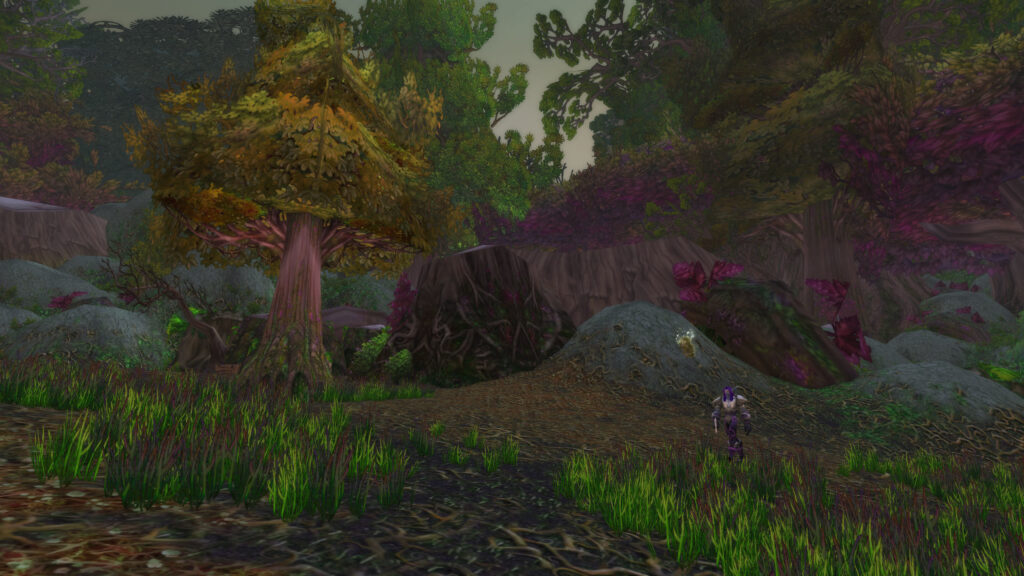
Environmental sound design immerses players by shaping atmosphere, guiding instinct, and anchoring memory. Though often unnoticed, these sounds define the emotional texture of the world. They turn landscapes into living environments and moments into lasting memories. Through subtle artistry, sound becomes one of the most powerful tools shaping the experience — even when players do not consciously hear it.